当前位置:
当前位置:
一、遗传因素:基因突变
癌症的发生和发展是致癌物引起细胞遗传学改变不断累积的结果,这个过程异常复杂并且受许多体内外因素的影响,其中基因突变是重要的一环。
正常细胞向癌细胞的恶性转化并非由单一基因突变导致,而是需要多阶段、多基因突变的累积效应。从初始突变到形成临床可检测的恶性肿瘤平均需要10-30年潜伏期,这一漫长的演进过程解释了为什么50岁以上人群癌症发生率会迅速增长,验证了“年龄相关癌症发生假说”[1]。此外有些家族性的基因缺陷,也可能会导致患某种癌症风险的增加[2-4],比如,部分结肠癌、乳腺癌、肝癌等。

二、环境致癌因素:致癌主力军
目前研究人员已鉴定出许多癌症相关基因,但是罕见的遗传病带来的癌症只占一小部分,而至少80%以上的癌症是由环境因素引起的[5],所以环境致癌因素才是致癌主力军。
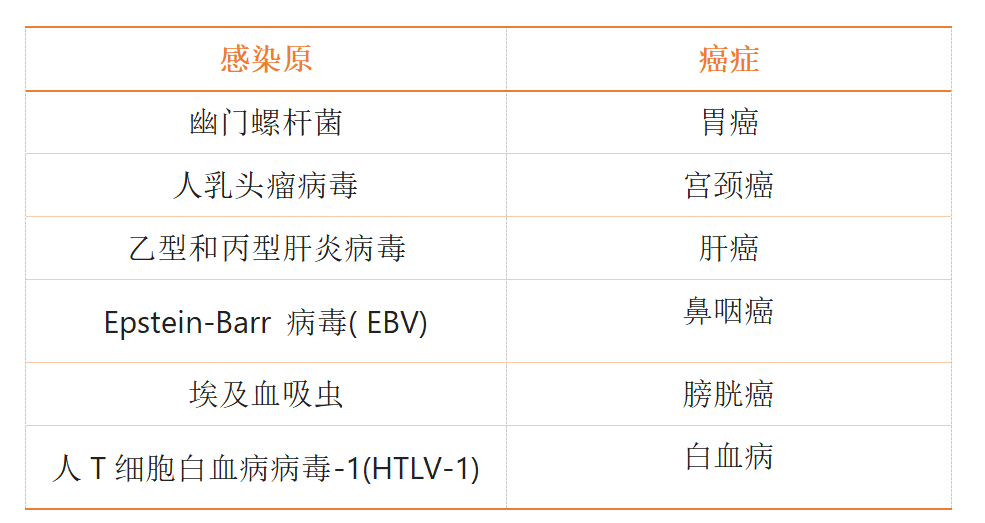
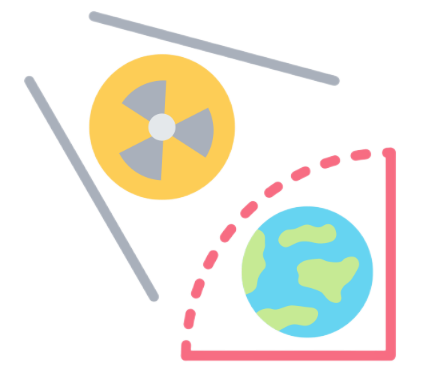
环境致癌因素包括化学致癌因素、生物致癌因素、物理致癌因素和不良的生活方式。
1.化学致癌因素:我们最先认识的癌症病因是从化学致癌因素开始的。1775年,英国医生Pott报道患阴囊癌的患者均在孩童时代被雇为烟囱清扫工,从而推断接触煤烟是阴囊癌的致病因素。目前已有许多人工合成的和天然存在的化合物及化学混合物,经动物实验或流行病调查被证明对人致癌[2,6]。
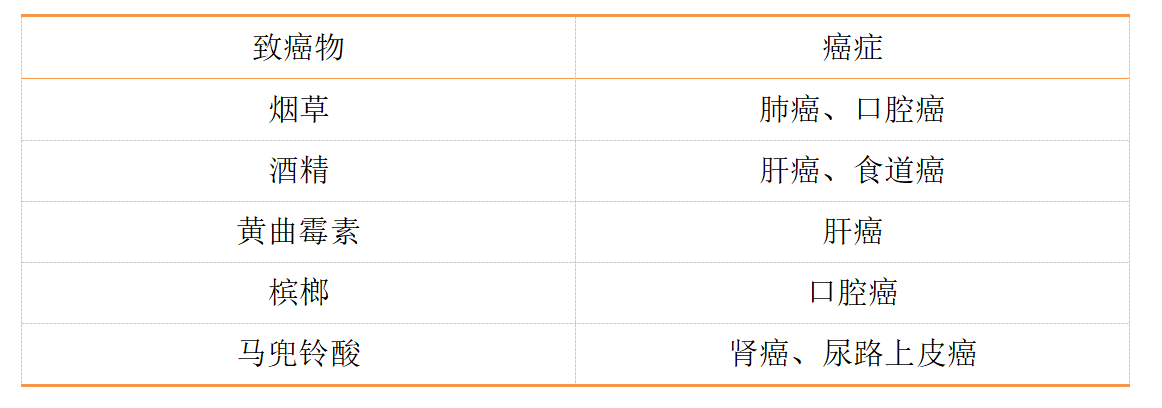
国际癌症研究机构(IARC)将致癌物分为4类,1类致癌物是指对人类有充分证据表明其致癌性的物质。截至2024年7月,1类致癌物已增至129种。常见的1类致癌物包括:


超重和肥胖可导致长期炎症和氧化应激[10],肥胖本身是一种低度的炎症状态。据估计,肥胖分别导致了男性和女性癌症负担的11.9%和13.1%[11],同时也增加了子宫内膜癌、食管腺癌和结直肠癌、绝经后乳腺癌、前列腺癌和肾癌的风险[12]。
吸烟是一个重要的致癌因素,它的致癌作用比许多环境致癌因素都强。吸烟可以引起80%的肺癌,并与口腔癌、咽癌、喉癌、胰腺癌、食管癌、子宫癌、膀胱癌的发生有密切关系[13]。研究显示饮酒会导致肝癌、乳腺癌、口腔癌和食管鳞状细胞癌[14]。身体活动不足,也会增加膀胱癌、乳腺癌、卵巢癌、前列腺癌的风险[15]。
大多数常见癌症致癌原因可归因于基因——环境的相互作用。改变遗传因素很难,但是改变环境因素就相对容易多了,避免接触致癌因素,戒烟限酒、平衡膳食、适量运动、心情舒畅能够有效降低癌症的发生。所以,您知道以后应该怎么做了吧!
做自己健康的第一责任人,从来不是一句简单的口号,需要用行动证明!

主要参考文献:
[1] Tomasetti C, Vogelstein B, Parmigiani G. Half or more of the somatic mutations in cancers of self-renewing tissues originate prior to tumor initiation[J]. Proc Natl Acad Sci U S A. 2013,110(6):1999-2004.
[2] Schwartz SM. Epidemiology of Cancer. Clin Chem[J]. 2024,4;70(1):140-149.
[3] Zhang YD, Hurson AN, Zhang H, et al. Assessment of polygenic architecture and risk prediction based on common variants across fourteen cancers[J]. Nat Commun. 2020,11:3353.
[4] Konuma T, Okada Y. Statistical genetics and polygenic risk score for precision medicine[J]. Inflamm Regen. 2021,41:18.
[5] 曾益新.肿瘤学-第4版[M].人民卫生出版社,2014.
[6] GBD 2016 Alcohol Collaborators. Alcohol use and burden for 195 countries and territories, 1990-2016: a systematic analysis for the Global Burden of Disease Study 2016[J]. Lancet. 2018,392:1015–35.
[7] Chen W, Xia C, Zheng R, et al. Disparities by province, age, and sex in site-specific cancer burden attributable to 23 potentially modifiable risk factors in China: a comparative risk assessment[J]. Lancet Glob Health. 2019,7:e257–69.
[8] Tang X, Yang T, Yu D, et al. Current insights and future perspectives of ultraviolet radiation (UV) exposure: Friends and foes to the skin and beyond the skin[J]. Environ Int. 2024,185:108535.
[9] Wylie AG, Korchevskiy AA. Dimensions of elongate mineral particles and cancer: A review[J]. Environ Res. 2023,230:114688.
[10] Ellulu MS, Patimah I, Khaza’ai H, et al. Obesity and inflammation: the linking mechanism and the complications[J]. Arch Med Sci. 2017,13:851–63.
[11] Avgerinos KI, Spyrou N, Mantzoros CS, et al. Obesity and cancer risk: emerging biological mechanisms and perspectives[J]. Metabolism. 2019,92:121–35.
[12] De Pergoa G, Silvestris F. Obesity as a major risk factor for cancer[J]. J Obes.2013;2013:291546.
[13] Maomao C, He L, Dianqin S, et al. Current cancer burden in China: epidemiology, etiology, and prevention[J]. Cancer Biol Med. 2022,19(8):1121–38.
[14] Gapstur S, Brooks PJ, Thun MJ, et al. Cancer epidemiology and prevention[J]. New York City (NY): Oxford University Press. 2017, p. 213–226.
[15] Reulen RC, de Vogel S, Zhong W, et al. Physical activity and risk of prostate and bladder cancer in China: The South and East China case-control study on prostate and bladder cancer[J]. PLoS One. 2017,12:e0178613.
组拟稿:刘德
审核:张盼
审核:张盼